Learn Dutch with English explanations
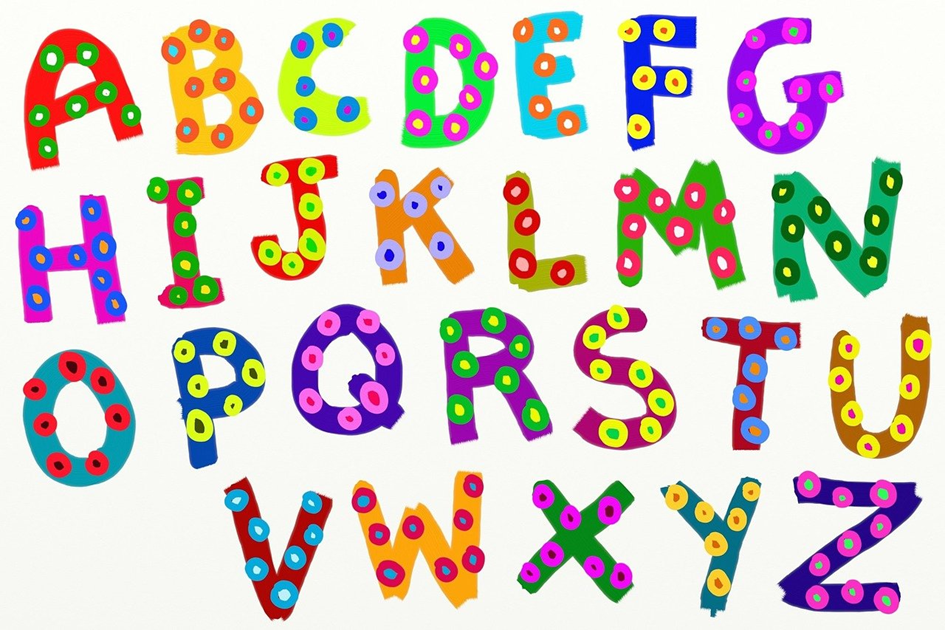
The first step in learning any language is the alphabet.
Good to know: ALL blogs on this website support integration and civic integration, so the date on which they were created is therefore not relevant.

https://youtu.be/rFnnvssbhAg?list=PLNiVRVdzVBlXyhvs6zzOHqGbPg3NAQiacLetter, woorden, zinnen
| Categorie | Nederlands | Engels | Arabisch |
|---|---|---|---|
| Letter | Een woord bestaat uit letters. W-O-O-R-D. | A word consists of letters. W-O-R-D. | كلمة تتكون من أحرف. و-أ-و-ر-د. |
| Woord | Een zin bestaat uit woorden. Dit is een zin met zeven woorden. | A sentence consists of words. This is a sentence with seven words. | جملة تتكون من كلمات. هذه جملة مكونة من سبع كلمات. |
| Hoofdletter in zinnen | Een zin begint met een hoofdletter. Namen beginnen ook met een HOOFDLETTER. | A sentence starts with a capital letter. Names also start with a CAPITAL LETTER. | تبدأ الجملة بحرف كبير. الأسماء تبدأ أيضًا بحرف كبير. |
| Punt achter een zin | Achter een normale zin staat een punt. | A period follows a regular sentence. | تقف نقطة بعد الجملة العادية. |
| Vraagteken | Achter een vraagzin staat een vraagteken. Hoe heet jij? | A question mark follows a question sentence. What is your name? | تقف علامة استفهام بعد جملة السؤال. ما اسمك؟ |
| Nederlandse alfabet | Het Nederlandse alfabet heeft 26 letters. | The Dutch alphabet has 26 letters. | الأبجدية الهولندية تحتوي على 26 حرفًا. |
| Klinkers en medeklinkers | De 26 letters van het alfabet worden onderscheiden in klinkers en medeklinkers. | The 26 letters of the alphabet are divided into vowels and consonants. | تُميز الـ 26 حرفًا من الأبجدية بين الحروف المتحركة والحروف الساكنة. |
| Klinkers | De klinkers zijn de vijf letters a, e, i, o en u (en soms ook de ‘y’). | The vowels are the five letters a, e, i, o, and u (and sometimes the ‘y’). | الحروف المتحركة هي الحروف الخمسة a، e، i، o و u (وأحيانًا أيضًا ‘y’). |
| Klank van letters | De klank van die letters hangt af van de taal en de letters die eromheen staan. | The sound of those letters depends on the language and the surrounding letters. | صوت هذه الأحرف يعتمد على اللغة والحروف المحيطة بها. |
| Lidwoorden | Lidwoorden zijn kleine woordjes vóór een zelfstandig naamwoord. Voorbeelden: de, het, een. | Articles are small words placed before a noun. Examples: the, a/an. | أدوات التعريف والنكرة هي كلمات صغيرة تأتي قبل الاسم. أمثلة: الـ ، أ |
| Zelfstandig naamwoord | Een zelfstandig naamwoord is een woord voor een persoon, dier, ding of plaats. Voorbeelden: de hond, het boek, een meisje, de school. | A noun is a word for a person, animal, thing, or place. Examples: the dog, the book, a girl, the school. | الاسم هو كلمة لشخص أو حيوان أو شيء أو مكان. أمثلة: الكلب، الكتاب، فتاة، المدرسة. |
| Rijmwoorden | Rijmwoorden klinken hetzelfde aan het einde. Voorbeelden: kat – mat – rat / boom – droom – room. | Rhyming words sound the same at the end. Examples: cat – hat – rat / tree – free – bee. | كلمات القافية هي التي تنتهي بنفس الصوت. أمثلة: قط – حصير – فأر / شجرة – فكرة – ثمرة. |
TIP: Listen to Dutch every day
You don’t learn a language only by studying words and grammar rules—you learn it mainly by training your ears. Regularly listening to spoken Dutch is one of the most effective ways to understand the language faster, more naturally, and to start speaking it yourself.
Why listening is so important
Sounds and intonation
By listening every day, you become familiar with the typical sounds and rhythms of Dutch. Your brain learns to recognize these patterns, which helps with both comprehension and pronunciation.
Words in context
You hear words and sentences the way they are actually used in daily life. This builds your vocabulary and strengthens your grasp of grammar structures and common expressions.
Unconscious learning
Even if you don’t understand everything yet, you’re still absorbing the language. By immersing your brain in Dutch, your passive knowledge gradually turns into active knowledge when you start speaking.
How often should you listen?
It depends on your goals and learning style, but a good guideline is about two hours per day. This doesn’t have to be all at once—listen while cooking, commuting, or relaxing. Use podcasts, audiobooks, movies, TV series, or music—anything, as long as you’re hearing Dutch voices.
Practice together for better pronunciation
Listening alone is powerful, but speaking out loud makes it even more effective. Find someone to practice with—a language buddy, a friend, or a classmate. Read short words or sentences aloud and focus on tricky sounds and individual letters. Getting direct feedback and repeating together will boost both your pronunciation and your confidence.
Pay special attention to the characteristic Dutch sounds, like ui in huis, eu in neus, g in goed, or sch in school. Start with short words and repeat them several times out loud. This way, you train your mouth muscles and quickly get used to sounds that don’t exist in many other languages.
Key takeaway
It doesn’t matter if you don’t understand everything right away. What matters is that you hear the language consistently. The more regularly you listen and practice, the faster you’ll notice your Dutch comprehension improving—and new words and expressions will start to stick naturally.

Audiobook
https://youtu.be/ml3H7qTdJt0
Audiobook
https://youtu.be/NIC_A1VPfmM
Most common words
Learn Dutch online | Basic Dutch vocabulary - lesson 1 - New version!
https://youtu.be/XgO93wYodhs
how to ask questions?
https://youtu.be/G2NQcv8-vv8?list=PLUOa-qvvZolDeAYFOPqHRC9w8Nnx5cTcJ
Learn Dutch in 3 minutes









Subtitles are available
https://youtu.be/wdtzInf5Its?t=23
Subtitles are available
https://youtu.be/Da9CVO2kHVM?t=18
Subtitles are available
https://youtu.be/UZfQqf_66a4?t=25